
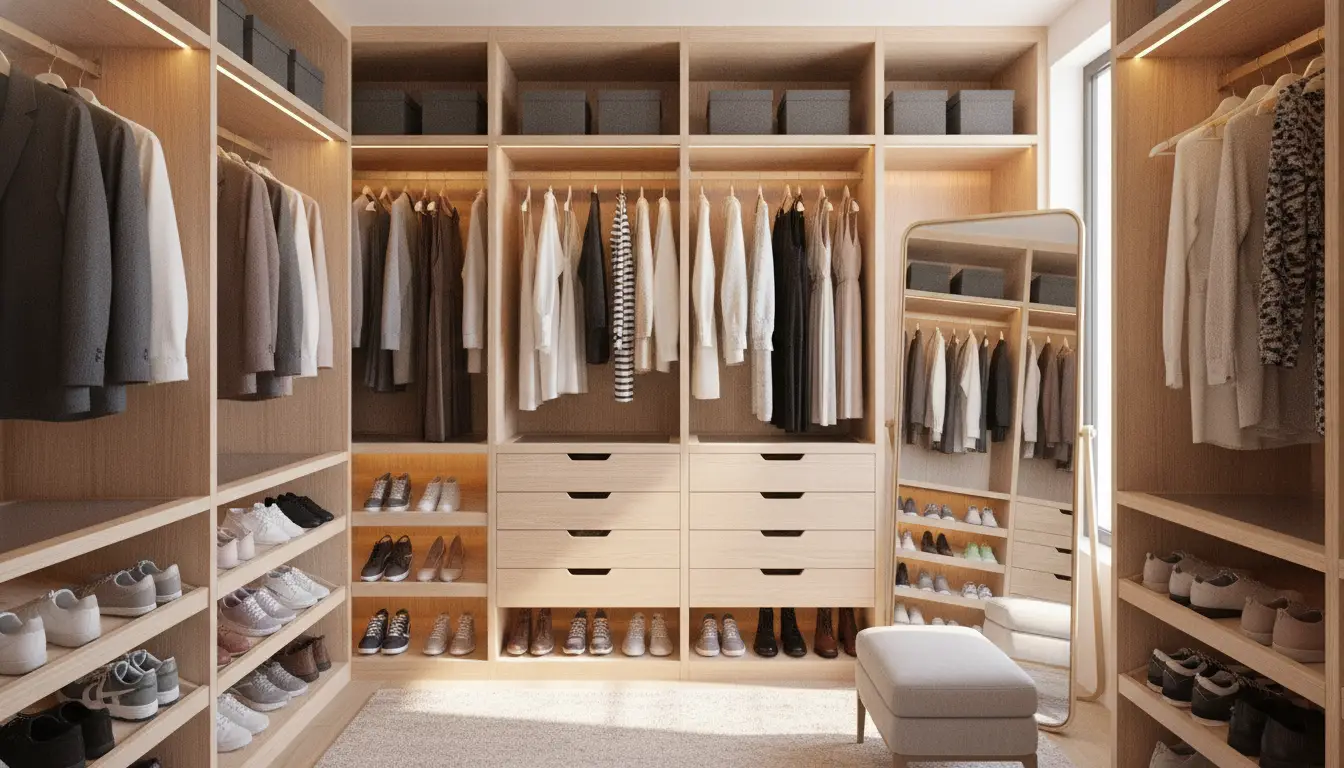

Maximize Small Master Closet: Layouts and Storage
To maximize a small master closet, you must utilize vertical space, implement double-hang closet rods, and invest in modular shelving units. By categorizing clothing, adopting slim velvet hangers, and utilizing over-the-door organizers, you can effectively double your storage capacity. The key is eliminating dead zones and customizing the layout to fit your specific wardrobe needs.
What Does It Mean to Maximize a Small Master Closet?
Maximizing a small master closet means strategically utilizing every available cubic inch of space to store clothing and accessories efficiently. This involves upgrading from standard single wire racks to multi-tiered systems, custom shelving, and specialized organizational tools that eliminate wasted vertical and horizontal gaps.
True optimization goes beyond simply cramming more items into a confined area. It requires a fundamental shift in how you view storage geometry. By evaluating the specific dimensions of your wardrobe, such as the ratio of long dresses to folded sweaters, you can design a tailored environment. This entity-focused approach ensures that shoes, belts, and seasonal garments have dedicated micro-zones, reducing daily friction when getting dressed.
The benefits of a highly optimized wardrobe space extend into daily psychological well-being and garment preservation. When clothes are not tightly crushed together, delicate fabrics breathe better, preventing wrinkles and fabric degradation. Furthermore, a logical layout reduces the time spent searching for specific items, thereby streamlining morning routines and providing a sense of architectural harmony within the master bedroom.
- Enhanced Garment Lifespan: Proper spacing and appropriate hanging hardware prevent fabric crushing, stretching, and structural damage to expensive clothing.
- Streamlined Daily Routines: Categorized micro-zones allow you to locate belts, shoes, and specific garments instantly, saving valuable time during busy mornings.
- Increased Property Value: A professionally designed master closet, even a small one, is a highly sought-after feature that appeals to prospective homebuyers.
- Reduced Mental Fatigue: Eliminating visual clutter and disorganized piles significantly reduces the stress associated with maintaining a clean bedroom environment.
How Much Does a Custom Small Master Closet Cost?
The cost to maximize a small master closet ranges from $150 for basic DIY wire kits to over $2,500 for professional, custom-built wooden cabinetry. Your final budget depends heavily on material quality, structural modifications, and whether you hire a professional closet designer or install modular systems yourself.
Understanding the financial investment required for closet optimization helps homeowners make informed decisions about return on investment. Off-the-shelf melamine systems from big-box retailers offer a popular middle-ground solution, typically costing between $400 and $800. These systems provide the aesthetic appeal of custom built-ins but require significant sweat equity to assemble and anchor safely to the wall studs.
For high-end master suites, investing in professional installation often yields a higher return on home value. Professional designers utilize specialized CAD software to map out millimeters of usable space, integrating features like soft-close drawers, integrated LED lighting, and custom shoe shrines. While the upfront expenditure is higher, the durability of three-quarter-inch furniture-grade plywood dramatically outlasts standard particleboard alternatives.
- DIY Wire Shelving Kits: $100 to $300. Highly affordable and easy to install, but lacks aesthetic appeal and can leave indentations on folded clothing.
- Modular Melamine Systems: $400 to $900. Offers a built-in look with adjustable shelves and drawers; requires moderate DIY skills for proper wall anchoring.
- Semi-Custom Wood Systems: $1,000 to $1,800. Features upgraded materials, thicker shelving, and better hardware, often purchased through specialized online retailers.
- Professional Custom Build: $2,000 to $4,000+. Includes personalized design consultations, premium materials, integrated lighting, and professional installation with warranties.
Which Closet Layout is Best for Small Spaces?
The best layout for a small space is typically the U-shaped or L-shaped configuration, depending on the door placement and room depth. These layouts capitalize on corner spaces that are traditionally wasted, allowing for a combination of hanging rods on one side and floor-to-ceiling shelving on the other.
Comparing different spatial configurations is critical because the wrong layout can make a small footprint feel entirely claustrophobic. Reach-in closets, standard in older homes, benefit most from a straight-wall optimization strategy where the central area features drawers and the perimeters handle hanging garments. Walk-in closets, even micro-sized ones, demand a careful balance so that the user has at least twenty-four inches of clearance to turn around comfortably.
Incorporating a strategic mix of depths is a layout secret used by professional organizers. Instead of making all shelves twelve inches deep, utilizing shallow six-inch shelves for shoes and perfumes on one wall allows for deeper twenty-inch drawers on the opposite wall. This dynamic spatial planning maximizes storage volume without encroaching on the essential standing area required for daily use.
| Layout Type | Best For | Pros | Cons |
|---|---|---|---|
| Reach-In (Straight) | Standard bedroom walls | Immediate access to all items; easy to install sliding doors. | Lacks depth for bulky items; limited floor space for shoe storage. |
| L-Shaped Walk-In | Square micro-closets | Utilizes one corner effectively; separates hanging from folded items. | Corner accessibility can be awkward without specialized hardware. |
| U-Shaped Walk-In | Deep, narrow closets | Maximum wall utilization; creates a distinct dressing area. | Can feel cramped if the central walkway is less than 30 inches wide. |
- Prioritize the Primary Wall: Place your most frequently accessed items on the wall directly facing the door for immediate ergonomic access.
- Utilize Corner Carousels: In L-shaped or U-shaped layouts, install spinning carousels or curved hanging rods to prevent corners from becoming inaccessible dead zones.
- Vary Shelving Depths: Use shallow shelving for accessories and deep shelving for bulky sweaters to maintain a wide, comfortable walking path.
How Do I Choose the Right Storage Solutions?
Choosing the right storage solutions requires conducting a comprehensive wardrobe audit to measure your exact ratio of hanging garments to folded clothes. Once you know your inventory, select modular components like double-hang rods for shirts, specialized shoe racks, and shallow drawers for undergarments to match those specific metrics.
The physical materials of your storage solutions dictate both their longevity and their visual weight in a confined area. Solid wood or high-density MDF provides a luxurious, permanent feel, but these materials consume valuable fractions of an inch. Wire shelving, while less aesthetically pleasing to some, allows for better air circulation and takes up minimal physical space, making it a highly practical choice for extreme micro-closets.
Implementing advanced storage accessories is where true space maximization occurs. Standardizing hangers is the most impactful immediate change; slim velvet or rubberized hangers reclaim up to thirty percent of rod space compared to bulky wooden or mismatched plastic alternatives. Additionally, utilizing shelf dividers keeps stacked denim and sweaters from toppling over, maintaining a rigid, vertical discipline on open shelving.
- Double-Hang Rods: Instantly doubles the storage capacity for short items like button-down shirts, blouses, and folded trousers.
- Slim Velvet Hangers: Replaces bulky plastic and wood hangers, saving up to a third of your horizontal rod space while preventing garment slippage.
- Clear Acrylic Shelf Dividers: Keeps stacks of sweaters and jeans perfectly vertical, preventing piles from merging and creating visual chaos.
- Over-the-Door Organizers: Transforms the unused back of a swing door into a high-capacity storage zone for shoes, belts, scarves, and jewelry.
- Pull-Out Valet Rods: Provides a temporary hanging spot for planning tomorrow's outfit or staging dry cleaning without permanently consuming space.
What Are the Most Common Small Closet Mistakes?
The most common small closet mistake is failing to utilize vertical space all the way to the ceiling. Other frequent errors include using mismatched, bulky hangers, ignoring the back of the closet door, and storing out-of-season clothing in prime, eye-level real estate instead of high shelves.
Homeowners frequently fall into the trap of retaining the builder-grade single rod and shelf configuration. This archaic setup wastes approximately fifty percent of the available volume, leaving massive voids of empty air below short hanging items like shirts and blouses. Without introducing a second tier of hanging rods or lower shoe racks, this dead air remains a permanent liability in your home's storage ecosystem.
Another critical oversight is poor lighting design. Small spaces naturally suffer from shadowing, which makes the area feel even smaller and complicates the process of distinguishing between navy and black fabrics. Relying solely on a single overhead bulb is insufficient; integrating battery-operated motion-sensor LEDs or hardwired strip lighting along the interior door frame dramatically enhances both functionality and spatial perception.
- Ignoring Vertical Space: Leaving the area between the top shelf and the ceiling empty wastes prime storage real estate for seasonal items and luggage.
- Storing Empty Luggage: Keeping empty suitcases in the closet consumes massive volume; always nest smaller bags inside larger ones or use them to store off-season clothing.
- Keeping Builder-Grade Wire: Settling for the single wire shelf installed by the builder severely limits your organizational potential and damages delicate clothing.
- Inadequate Lighting: Failing to illuminate the lower half of the closet makes it difficult to find shoes and creates a gloomy, cramped atmosphere.
- Hoarding Unworn Items: Allowing clothes that no longer fit or are never worn to occupy valuable space defeats the purpose of any organizational system.
How Can Expert Tips Double My Closet Space?
Expert tips double closet space by introducing micro-organization techniques, such as rolling t-shirts in deep drawers and using cascading hangers for seldom-worn items. Professionals also leverage the power of optical illusions, using lighter paint colors and mirrors to make the physical space feel twice as expansive.
Professional organizers approach a small master closet as a dynamic, living system rather than a static storage box. They implement the one-in, one-out rule to prevent gradual overcrowding, ensuring the volume of clothing never exceeds the engineered capacity of the storage system. This behavioral habit is just as critical as the physical infrastructure when attempting to maintain a highly optimized environment over the long term.
Real-world scenarios consistently prove that dead zones, like the gap between the top shelf and the ceiling, or the floor space beneath long-hanging dresses, are untapped goldmines. Experts often deploy specialized bins for these exact dimensions, storing seasonal accessories or sentimental items out of the daily traffic flow. By treating the closet as a three-dimensional grid, every cubic centimeter is assigned a specific, intentional purpose.
- Adopt the File-Folding Method: Fold t-shirts and jeans vertically rather than stacking them horizontally, allowing you to see every item in a drawer at a single glance.
- Install a Mirror on the Back Wall: Placing a mirror at the end of a narrow walk-in closet reflects light and creates a powerful optical illusion of extended depth.
- Utilize Cascading Hooks: Use small connector hooks on hanger necks to cascade multiple lightweight items, such as silk blouses or tank tops, vertically.
- Implement Seasonal Rotations: Strictly rotate heavy winter coats and summer swimwear into under-bed storage boxes or secondary guest room closets to free up primary space.
- Paint the Interior a Bright White: Dark colors absorb light and make tight spaces feel oppressive; a fresh coat of high-gloss white paint instantly brightens and visually expands the area.
Frequently Asked Questions About Small Master Closets
Navigating the complexities of small closet optimization often generates specific, granular questions from homeowners. The following frequently asked questions address the most pressing concerns regarding dimensions, specific product recommendations, structural modifications, and the practical realities of sharing a compact wardrobe space with a partner.
Understanding these nuances is vital for anyone planning a DIY renovation or hiring a custom closet contractor. The answers provided below synthesize industry best practices, building code considerations, and real-world ergonomic data to help you avoid costly mistakes and maximize your investment.
By reviewing these common queries, you can anticipate potential roadblocks in your own organizational journey. Whether you are dealing with awkward ceiling slopes, narrow door frames, or an overwhelming shoe collection, these expert insights will guide your strategic planning and ensure a flawless execution.
Are custom closet systems worth the investment for small spaces?
Yes, custom closet systems are highly worthwhile for small spaces because they are engineered to utilize every millimeter of available volume. While off-the-shelf solutions leave awkward gaps at the edges of walls, custom built-ins are tailored to your exact dimensions, seamlessly navigating around baseboards, electrical outlets, and uneven ceilings to maximize storage density.
How deep should closet shelves be for maximum efficiency?
For optimal efficiency, standard clothing shelves should be between twelve and fourteen inches deep. This depth perfectly accommodates folded sweaters, jeans, and t-shirts without leaving dead space behind the clothing. For shoe shelves, a depth of ten to twelve inches is ideal, while large storage bins and luggage require shelving that is sixteen to twenty inches deep.
What is the best way to store shoes in a small master closet?
The most space-efficient way to store shoes is on angled, adjustable shelving with heel catches, placed at the very bottom of the closet beneath short-hanging garments. Alternatively, if floor space is non-existent, utilizing an over-the-door pocket organizer or a tall, narrow vertical cubby system on a side wall keeps footwear organized and easily accessible.
How do I share a small master closet with a partner?
Sharing a small master closet requires strict boundaries and equitable division of space. Divide the closet symmetrically if possible, assigning specific zones to each person. Utilize double-hang rods for both partners to maximize capacity, and agree on an off-season clothing rotation strategy to ensure the shared space only houses currently worn, seasonally appropriate garments.
Can I remove closet doors to make the space feel larger?
Removing traditional swing or bi-fold doors and leaving the closet open can make a bedroom feel larger and provide easier access to your wardrobe. However, this strategy requires you to maintain an impeccably neat closet, as the contents become a permanent visual element of your bedroom decor. Replacing doors with a sleek curtain is a popular compromise.
What is the standard height for double-hang closet rods?
To maximize vertical space, the top rod of a double-hang system should be installed at approximately eighty to eighty-four inches from the floor. The bottom rod should be placed at forty to forty-two inches from the floor. This configuration provides roughly forty inches of hanging clearance per tier, which is perfect for standard shirts, jackets, and folded trousers.
How do I prevent moisture and odors in a packed closet?
Packed closets restrict airflow, which can lead to stale odors and moisture buildup. To prevent this, leave a small gap between garments, use cedar blocks or lavender sachets to naturally repel pests and odors, and place a reusable silica gel dehumidifier on a low shelf to absorb excess ambient moisture and protect leather goods.
Which hanger type saves the most space?
Ultra-slim velvet hangers are universally recognized by professional organizers as the best space-saving hanger. They are significantly thinner than wood or tubular plastic hangers, allowing you to fit up to thirty percent more garments on a single rod. Additionally, the velvet texture prevents wide-neck blouses and delicate fabrics from slipping off onto the floor.
How can I utilize the back of my closet door?
The back of a closet door is prime real estate that should never be ignored. You can install an over-the-door wire rack system for holding shoes, purses, and accessories. Alternatively, mounting a sturdy pegboard or a series of individual hooks provides customizable storage for belts, ties, hats, and scarves without encroaching on the interior closet volume.
Is it better to fold or hang jeans in a small closet?
In a small closet, it is generally better to fold jeans and store them on open shelving or file-folded in deep drawers. Denim is a thick, durable fabric that takes up significant horizontal rod space when hung. Folding them vertically allows you to stack multiple pairs in a compact footprint, reserving precious hanging space for items prone to wrinkling.
Action Point:
Start designing your custom small master closet today by measuring your space and auditing your wardrobe!
Contact Us