
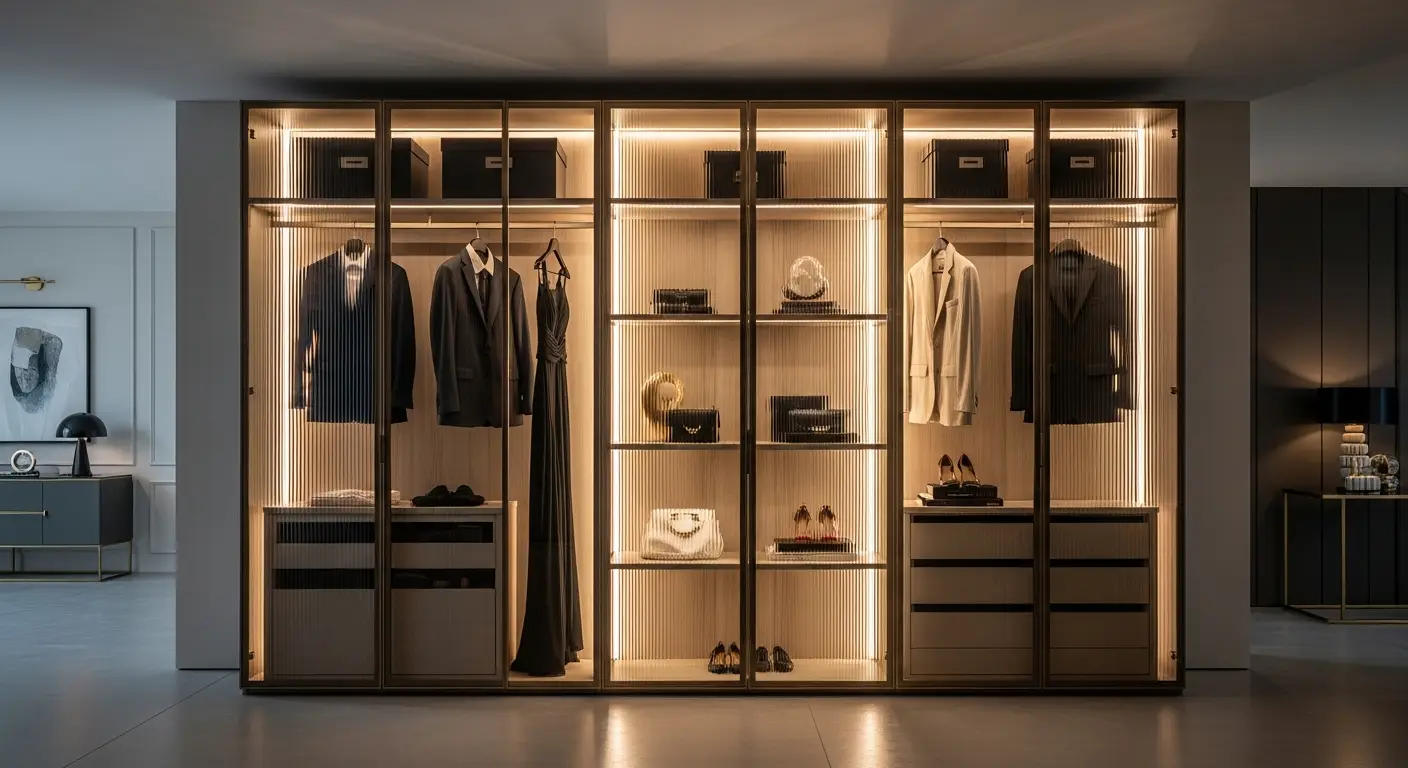

Glass Closet Designs: Luxury Home Trends
The landscape of high-end interior design is undergoing a profound transformation, shifting away from traditional concealed storage solutions toward highly transparent, exhibition-style cabinetry. Glass-front closets have emerged as a definitive hallmark of modern luxury homes, redefining how individuals interact with their personal wardrobes. This architectural evolution transcends mere functionality, elevating the storage of garments into a curated visual experience akin to a high-end fashion boutique. By integrating glass elements into closet architecture, designers are stripping away the visual barriers that once hid clothing in dark, uninspiring spaces, replacing them with luminous, expansive display areas. This shift reflects a broader movement in luxury real estate where every square foot of a residence is optimized for both supreme utility and breathtaking visual impact, turning the everyday act of dressing into an immersive, aesthetically pleasing ritual.
Aesthetic Appeal of Glass Closet Designs
The primary catalyst behind the meteoric rise of glass-front closets in luxury real estate is their undeniable aesthetic superiority and architectural integration. Historically, closets were treated as purely utilitarian spaces, hidden behind heavy, solid wood or laminate doors that created visual monoliths within a bedroom or dressing suite. Glass introduces an element of architectural lightness and sophisticated transparency. This design choice harmonizes effortlessly with contemporary, minimalist, and transitional interior styles, providing a sleek, reflective surface that enhances the overall ambiance of a primary suite. The glass itself serves as a dynamic design element, catching ambient room light and creating subtle reflections that add incredible depth, dimension, and a sense of movement to the interior architecture.
Furthermore, the integration of advanced lighting systems within these glass enclosures fundamentally alters the atmospheric quality of the space. Luxury designers frequently employ sophisticated LED strip lighting, motion-sensor illumination, and adjustable color-temperature fixtures to meticulously backlight garments and highlight specific shelving units. When viewed through high-quality glass doors, this internal lighting casts a warm, inviting glow that transforms the wardrobe into a primary focal point of the room. The interplay between the glass surfaces and the internal illumination creates a dramatic, cinematic effect that traditional opaque closets simply cannot replicate. It allows homeowners to showcase their wardrobe as a collection of art, where the lighting accentuates the textures of fabrics and the silhouettes of designer pieces.
The versatility of glass also allows for extraordinary material combinations that cater to highly personalized tastes and bespoke interior themes. Designers are not limited to standard clear glass; they frequently utilize smoked, fluted, frosted, or bronze-tinted variations to achieve specific visual textures and precise degrees of opacity. When framed with premium, tactile materials such as brushed brass, matte black powder-coated steel, or rich, exotic wood veneers, the glass doors become bespoke architectural features rather than mere room dividers. These material synergies elevate the closet from a standard storage unit to a masterful piece of custom cabinetry that anchors the design language of the entire suite.
- Smoked and Tinted Glass: Offers a moody, sophisticated aesthetic while slightly obscuring the precise details of the garments, providing a perfect balance between high-end display and necessary privacy.
- Fluted and Ribbed Glass: Introduces tactile texture and verticality to the room, distorting the shapes behind the glass into abstract, artistic forms while hiding minor organizational imperfections.
- Integrated LED Backlighting: Essential for illuminating luxury items, creating a retail-like display that highlights the craftsmanship of shoes, handbags, and tailored garments without casting harsh shadows.
- Premium Framing Materials: The use of anodized aluminum, unlacquered brass, or exotic wood veneers to frame the glass adds an additional layer of bespoke luxury and structural integrity.
Enhanced Visibility and Wardrobe Accessibility
Beyond the immediate visual impact, the functional superiority of glass-front closets lies in the unprecedented visibility they afford to the user. In traditional closet designs, garments are often lost in the shadows or pushed to the back of deep enclosures, leading to a common phenomenon where individuals only wear a small fraction of their wardrobe simply because they cannot see the rest. Glass enclosures eliminate this issue entirely, offering a panoramic, edge-to-edge view of one's clothing, footwear, and accessories. This comprehensive visibility transforms the daily ritual of dressing from a frustrating chore of rummaging through dark corners into an efficient, highly enjoyable process of selection and curation.
This immediate visual access is particularly crucial in luxury homes where wardrobes often consist of high-value, designer pieces, haute couture, and fine horology that deserve to be seen and appreciated daily. By treating the closet as a protective display case, homeowners can easily locate specific items, coordinate complex outfits, and rediscover pieces that might have otherwise been forgotten in the depths of a traditional wardrobe. The transparency of the doors acts as a continuous, passive inventory system, allowing for quick mental cataloging of available options without the need to physically open multiple doors and drawers, thereby streamlining the morning routine significantly.
From a psychological perspective, having a clear, unobstructed view of an impeccably organized wardrobe induces a profound sense of calm and control over one's environment. The visual accessibility drastically reduces decision fatigue in the mornings, as the brain can process outfit combinations and color palettes before the physical act of dressing even begins. Furthermore, this boutique-style presentation elevates the perceived value of the garments themselves, fostering a deeper appreciation for one's personal collection. It encourages a mindset of quality over quantity, prompting homeowners to make more mindful, deliberate purchasing habits in the future to maintain the high standard of their displayed collection.
- Immediate Inventory Recognition: The ability to assess the entirety of a wardrobe at a single glance, drastically reducing the time spent searching for specific garments, seasonal wear, or accessories.
- Enhanced Outfit Coordination: Unobstructed sightlines allow individuals to visually mix and match colors, textures, and styles effortlessly before physically removing delicate items from their hangers.
- Reduction of Decision Fatigue: Streamlining the morning routine by providing a clear, beautifully illuminated presentation of choices, minimizing the cognitive load associated with getting dressed.
- Appreciation of Craftsmanship: Highlighting luxury investments, such as designer handbags, bespoke footwear, and fine jewelry, by keeping them in constant, protected, and well-lit view.
Superior Organization and Spatial Awareness
The implementation of glass-front closets fundamentally alters the spatial dynamics and perceived volume of a dressing room or primary bedroom. Solid closet doors, especially in smaller, heavily furnished, or uniquely shaped rooms, can feel visually oppressive and severely constrict the available space. Glass, by its very nature, possesses an inherent weightlessness that tricks the human eye into perceiving a much larger, more open area. By allowing the line of sight to extend past the physical threshold of the closet doors and deep into the storage depth itself, glass designs break down visual barriers, creating an illusion of grand expansiveness and seamless architectural continuity.
This spatial enhancement is deeply intertwined with the rigorous organizational systems required by transparent designs. When a closet's interior is constantly visible to anyone entering the room, it necessitates a highly structured, uncompromising approach to storage. Designers counter the risk of visual clutter by incorporating meticulously planned interior architecture, including custom-measured shelving for specific shoe heights, specialized hanging zones for different garment lengths, and velvet-lined, compartmentalized accessory trays. The glass facade acts as a framing device for this internal organization, turning systematic, mathematical storage into a visually pleasing, symmetrical geometric grid that enhances the room's aesthetic.
The organizational benefits also extend to the physical preservation and longevity of the garments. Glass doors provide a crucial, impenetrable protective barrier against household dust, pet dander, and environmental pollutants, which is absolutely essential for maintaining the integrity of delicate fabrics, silks, suedes, and leathers. Unlike open-concept boutique closets that leave clothing entirely exposed to the elements and potential UV damage, glass-front designs offer the perfect compromise: the visual accessibility of an open closet combined with the protective enclosure of a traditional wardrobe. Advanced designs even incorporate climate control and UV-filtering glass to ensure that the highly organized space remains a pristine, archival-quality environment over time.
- Visual Expansion of Space: Utilizing architectural transparency to extend sightlines, making dressing rooms, walk-ins, and primary suites feel significantly more spacious, airy, and less confined.
- Geometric Interior Architecture: Designing the internal shelving, drawers, and hanging rods to create symmetrical, visually satisfying grids that are perfectly framed by the exterior glass doors.
- Environmental Garment Protection: Shielding high-value garments from dust, direct sunlight via UV-coated panes, and ambient moisture while maintaining full, unhindered visibility of the collection.
- Custom Compartmentalization: Creating specific, highly visible zones for different categories of items, ensuring that shoes, bags, ties, and hanging garments each have a dedicated, mathematically optimized space.
Maintaining a Clutter-Free Display
The most critical caveat to installing glass-front closets is the absolute necessity of maintaining a pristine, meticulously clutter-free interior. Transparency is a double-edged sword in interior design; while it magnificently highlights a beautifully organized wardrobe, it will equally magnify mess, disorganization, and visual chaos. Homeowners who opt for this luxury design must commit to a lifestyle of rigorous curation and tidiness. This means regularly editing the wardrobe to remove unworn items, ensuring that the closet is never overstuffed, and maintaining a strict adherence to the designated storage zones. The display must breathe, requiring adequate negative space—often a strict two inches between hangers—to achieve that coveted, high-end retail aesthetic.
Achieving visual harmony behind glass also requires a strategic, uncompromising approach to color coordination and hanger uniformity. A disparate collection of plastic, wire, and mismatched wooden hangers will instantly degrade the luxurious feel of the space, creating visual noise that distracts the eye from the clothing itself. Investing in matching, high-quality hangers—such as slim velvet, heavily contoured wood, or thick acrylic—is absolutely non-negotiable for this design trend. Furthermore, organizing garments by color, season, or garment length creates a cohesive visual gradient that is incredibly pleasing and soothing to the eye. This meticulous attention to detail transforms the wardrobe from a mere storage area into a deliberate, artistic installation within the home.
Finally, the physical maintenance of the glass itself is paramount to preserving the elegance and illusion of the design. Fingerprints, smudges, and accumulated dust on the glass surfaces can quickly ruin the luxurious atmosphere, making the space feel neglected. Establishing a regular cleaning routine using appropriate, streak-free glass cleaners and high-quality microfiber cloths is essential. Additionally, the internal environment must be managed; ensuring proper HVAC ventilation prevents condensation on the inside of the glass, while careful handling and regular servicing of the sliding tracks or hinged mechanisms ensure the longevity of the hardware. The ongoing commitment to maintaining both the garments and the glass enclosure is what ultimately sustains the breathtaking beauty of the glass-front closet.
- Strict Wardrobe Curation: Implementing a consistent, seasonal decluttering routine to prevent overcrowding, ensuring that every item on display serves a purpose and has adequate aesthetic breathing room.
- Uncompromising Hanger Uniformity: Utilizing a single style, shape, and color of premium hangers throughout the entire closet to eliminate visual distraction and create a cohesive, bespoke tailored appearance.
- Color and Category Coordination: Arranging garments in a logical, aesthetically pleasing order, such as a strict color gradient or by specific garment type, to deeply enhance the visual harmony behind the glass.
- Rigorous Surface Maintenance: Committing to frequent, detailed cleaning of the glass panels and metal hardware to prevent smudges and dust buildup, preserving the crystal-clear transparency of the luxury display.