
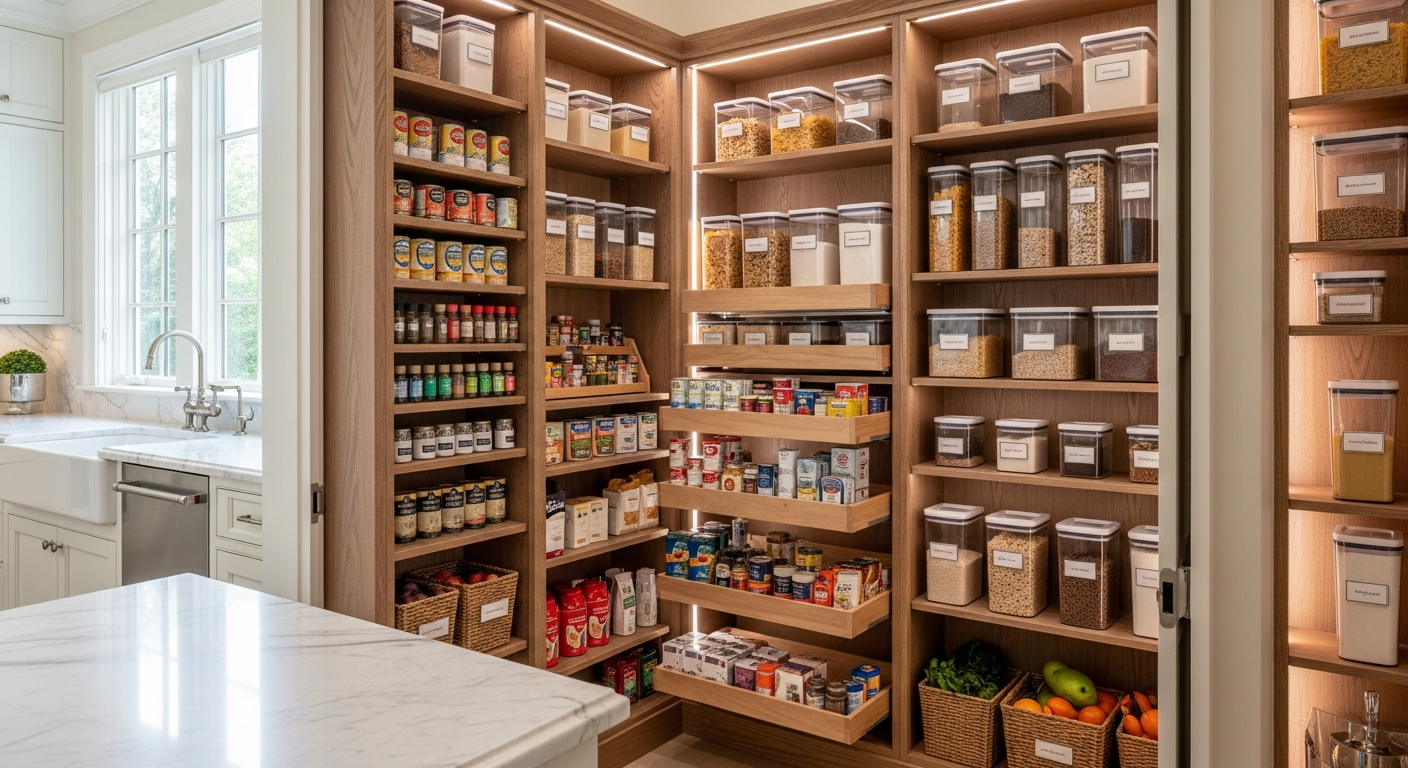

Pantry Organization: Pro Accessibility Tips
Professional designers understand that a pantry is the functional heart of a kitchen. It is not merely a closet for storing food, but a dynamic workspace that requires meticulous planning, strategic zoning, and rigorous maintenance systems. When executed correctly, professional pantry organization transcends basic tidiness, elevating the entire culinary experience by reducing meal preparation time and minimizing food waste. By focusing on the core principles of accessibility, visibility, and long-term maintenance, designers create spaces that intuitively support the daily rhythms of a household. Implementing these strategies requires a fundamental shift in how one views storage, moving away from haphazard stacking toward deliberate, engineered placement.
Strategic Zoning for Maximum Accessibility
The foundation of any professionally organized pantry lies in the implementation of strategic zoning. This methodology involves categorizing items not just by their culinary purpose, but by the frequency of their use and the ergonomic requirements of the household members. Professional organizers divide the vertical space into distinct tiers, reserving the prime real estate—the shelves situated between waist and eye level—for everyday essentials. This ensures that the items reached for most often require zero physical strain to retrieve, thereby streamlining the cooking process and reducing daily friction in the kitchen environment.
Conversely, the highest and lowest zones serve entirely different functions in a professionally designed layout. The uppermost shelves, which typically require a step stool to access, are dedicated to lightweight, infrequently used items such as holiday baking supplies, specialized entertaining platters, or extra paper goods. The floor level or bottom shelves are reserved for heavy, bulky items like oversized appliances, bulk beverage cases, and heavy root vegetable bins. This distribution of weight and frequency prevents daily fatigue and mitigates the risk of accidental drops or injuries when attempting to retrieve heavy items from above the head.
To successfully execute a zoned pantry, professionals rely on a detailed categorization process before a single container is purchased. This requires pulling everything out of the current space and grouping items into micro-categories based on the family's specific routines. Typical professional zones include the following strategic groupings:
- Everyday breakfast items and cereals, positioned low enough on open shelving for children to access independently without requiring adult assistance.
- Baking staples, often grouped together in a portable, handled bin that can be lifted and carried directly to the kitchen preparation counter as a single unit.
- Dinner preparation components, including canned goods, dry pasta, and grains, kept strictly at eye level for quick inventory checks during meal planning.
- Dedicated snack stations, decanted into clear, open-top bins to monitor consumption rates and facilitate easy grabbing for family members on the go.
- Backstock and bulk overflow items, stored in opaque bins on higher shelves to prevent visual clutter while keeping necessary backup inventory on hand.
Elevating Visibility Through Decanting and Tiering
Visibility is arguably the most critical component of a functional pantry, as hidden food invariably leads to expired ingredients and wasted household funds. Professional designers combat the out-of-sight, out-of-mind phenomenon by employing rigorous decanting strategies. Removing items from their original, visually chaotic commercial packaging and transferring them into uniform, airtight, transparent containers instantly reduces visual noise. This uniformity allows the eye to sweep across the shelves effortlessly, instantly registering inventory levels without having to rummage through half-empty cardboard boxes or opaque plastic bags.
However, decanting is not a blanket solution for every single item; professionals apply this technique highly strategically. Dry goods such as flour, sugar, rice, pasta, and cereals are prime candidates for decanting because their original packaging is notoriously difficult to reseal and highly prone to tearing. When decanting, professionals always ensure that expiration dates and cooking instructions are meticulously preserved. This is often achieved by utilizing chalk markers on the glass or affixing custom adhesive labels to the back or bottom of the clear containers. This methodology marries the aesthetic appeal of a uniform pantry with the practical necessity of food safety and preparation information.
Beyond decanting, maximizing visibility across deep shelves requires the introduction of tiered storage solutions and specialized hardware. Deep shelves are notorious for swallowing small jars and cans, creating a dark, inaccessible abyss at the back. To counteract this, professionals utilize specific tools to elevate and reveal items in the rear.
- Expandable tiered risers are deployed for canned goods and spice collections, ensuring the labels of the back row are elevated and just as visible as the front row.
- Turntables, commonly known as lazy Susans, are installed in awkward corners to bring hidden items to the front with a simple spin, completely eliminating dead space.
- Clear, deep acrylic bins are used as makeshift drawers on fixed shelves, allowing the user to slide the entire category out to view contents stored at the very back.
- Under-shelf wire baskets are installed to maximize the vertical space between shelves, providing perfect storage for flat, delicate items like tortillas or bread without crushing them.
- Door-mounted rack systems are integrated to transform previously unused vertical door space into prime storage for small, single-file items like hot sauces, extracts, and marinades.
Long-Term Maintenance and Intuitive Labeling Systems
The true test of a professionally organized pantry is not how it looks on the day of installation, but how flawlessly it functions six months later. To guarantee long-term maintenance, designers build systems that are entirely intuitive, requiring minimal cognitive effort from the household members to uphold. If putting an item away takes more than three seconds or requires moving multiple other items out of the way, the organizational system will inevitably fail. Therefore, professionals prioritize dedicated drop zones and leave intentional negative space on shelves to accommodate the fluctuating nature of weekly grocery shopping.
A cornerstone of this intuitive maintenance is a comprehensive, foolproof labeling system. Labels remove all guesswork from the space, acting as a silent set of instructions for every member of the family, as well as houseguests, babysitters, or extended family. Professional designers do not just label the decanted containers; they explicitly label the zones, the baskets, and the shelf edges. This macro and micro labeling strategy ensures that when a basket of snacks is depleted, its designated home on the shelf remains clear, preventing other random items from encroaching on that specific territory.
Maintaining the aesthetic and functional integrity of the pantry also involves establishing a routine micro-habit of inventory management. Professionals often recommend a first-in, first-out system, heavily mimicking commercial kitchen safety standards. When unpacking groceries, new items are placed at the back of the row or the bottom of the decanting jar, pushing the older stock to the front. To support this ongoing maintenance, professionals implement the following structural rules:
- Implement a dedicated priority bin at eye level for items approaching their expiration date or open packages that require finishing before new ones are opened.
- Utilize open-top bins for high-turnover items, removing the physical barrier of unlatching a lid, which drastically encourages family members to put things back properly.
- Schedule a mandatory, ten-minute pantry reset before each major grocery shopping trip to clear out expired goods, wipe down shelves, and identify actual purchasing needs.
- Designate a specific overflow basket for bulk purchases that do not fit into the primary decanting containers, preventing shelf overcrowding and structural damage.
- Standardize container brands and styles to ensure that any future additions to the pantry will stack securely and align perfectly with the existing organizational system.
Hardware and Material Selection for Durability
The materials and hardware chosen for pantry organization directly impact both the functionality and the longevity of the space. Professional designers actively move away from flimsy plastic bins and invest heavily in durable, high-quality materials that can withstand the daily wear and tear of a busy kitchen environment. Solid wood or bamboo bins offer incredible durability and bring a touch of natural warmth to the space, effectively concealing visually chaotic items like individually wrapped snacks or brightly colored baking packets. These opaque materials are strategically used to balance the transparent decanting containers, creating a visually restful and sophisticated environment.
When transparent storage is absolutely required, professionals favor high-grade acrylic or tempered glass over standard, cheaper plastics. Polycarbonate and acrylic bins resist scratching and discoloration over time, ensuring that the visual clarity remains pristine even after years of heavy use. Glass jars, particularly those featuring thick silicone gaskets and heavy-duty metal clamp lids, provide the ultimate airtight seal to preserve maximum freshness and deter pantry pests. While glass is undeniably heavier, it is entirely non-porous, meaning it will never absorb odors from strong spices or acidic ingredients, making it a vastly superior choice for long-term food preservation.
Furthermore, the structural hardware of the pantry itself must be optimized to support the organizational layout. Fixed builder-grade wire shelving is often the very first thing professionals remove, as it causes items to tip over and creates massive amounts of wasted vertical space. Upgrading the structural components involves several professional-grade enhancements designed for heavy-duty use.
- Installing solid, fully adjustable shelving on heavy-duty vertical tracks to allow the spatial configuration to evolve as the family's storage needs change over time.
- Incorporating commercial-grade, full-extension drawer glides for lower pull-out shelves, effortlessly supporting up to one hundred pounds of bulk goods and heavy appliances.
- Adding hardwired or motion-sensor LED strip lighting underneath every shelf to illuminate dark corners, drastically enhancing the visibility of labels and back-row inventory.
- Utilizing heavy-duty, custom-cut shelf liners on existing wire racks if full replacement is not a viable option, creating a solid surface that prevents small items from falling through.
- Integrating specialized pull-out wire racks specifically designed for heavy root vegetables, ensuring adequate air circulation to prevent rot and prolong organic shelf life.
Action Point:
Transform your kitchen today by implementing these professional pantry organization strategies.
Contact Us